By clicking “Accept All Cookies”, you agree to the storing of cookies on your device to enhance site navigation, analyze site usage, and assist in our marketing efforts. View our Privacy Policy for more information.
Women's Strength: Build Muscle and Age Well
Build muscle, support strong bones, and age with confidence. Discover why strength training matters for women and how Women's Strength can help you age strong.
By
August 13, 2026
Related

Ladies, Let’s Build Muscle & Age Strong
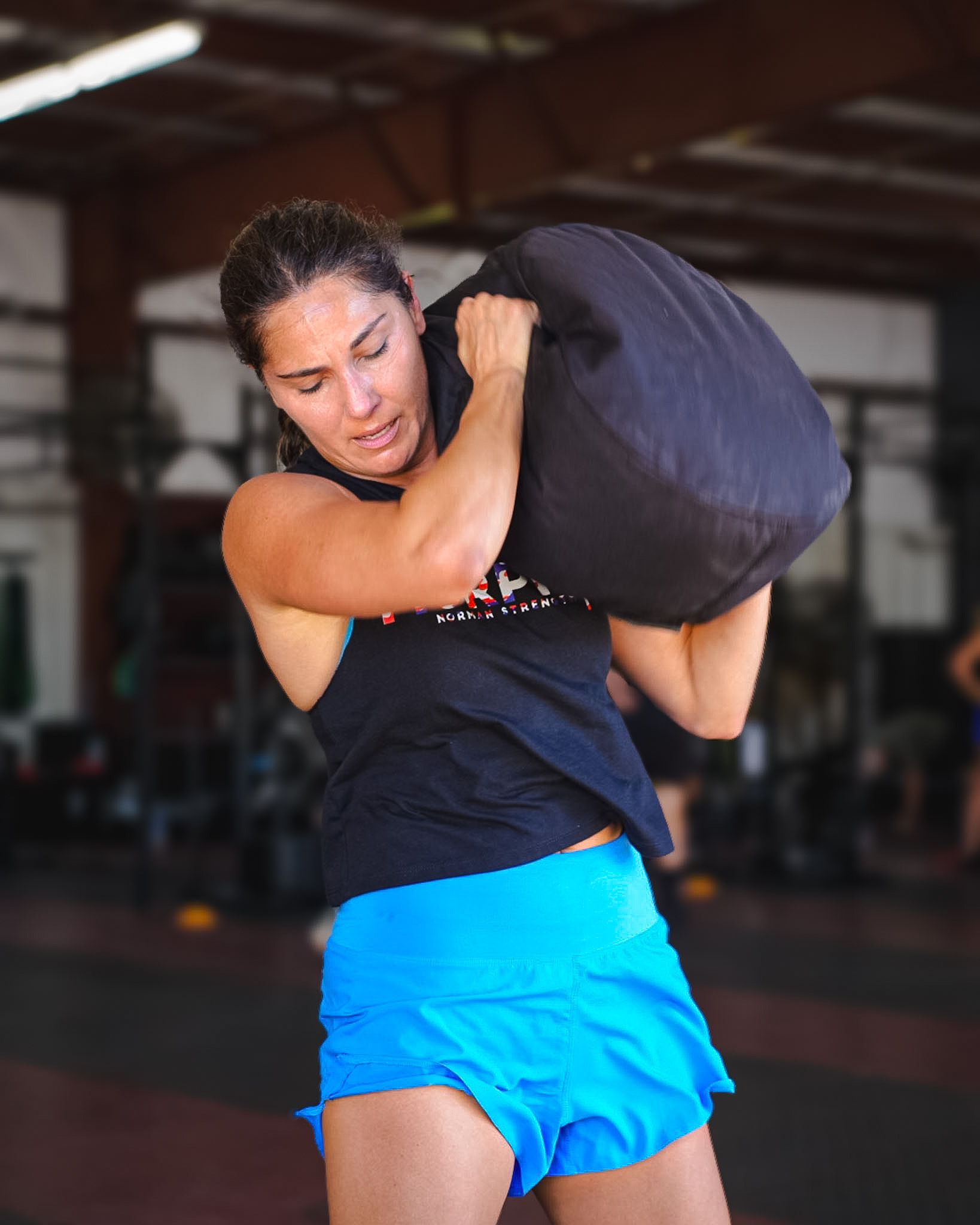
There’s something powerful about getting stronger.
Not just stronger in the gym — stronger when you carry the groceries, climb the stairs, get up from the floor, travel, play with your kids or grandkids, and move through everyday life with confidence.
As women, strength training becomes especially important as we age.
Muscle Matters
Beginning around age 30, our bodies naturally begin to lose muscle mass. The National Institutes of Health estimates that we lose about 3–5% of muscle mass every 10 years. Over time, that loss can contribute to decreased strength and make everyday activities more challenging.
The good news?
Muscle is adaptable.
Regular strength training can help us build and maintain muscle and strength throughout our lives. It can help us stay capable of doing the things we love — from lifting a suitcase to carrying groceries to getting up and down from the floor.
Strength isn't just about how much you can lift.
It's about what that strength allows you to do.
Our Bones Need Strength Too
Muscle isn't the only thing that changes as we age. Our bones do, too.
For women, bone loss can accelerate around menopause as estrogen levels decline. In fact, women can lose up to 20% of their bone density during the five to seven years following menopause.
That's a big reason why taking care of our bones throughout life matters.
Exercise, including resistance and weight-bearing activity, is an important part of a healthy lifestyle that supports strong bones and muscles.
Strong Isn't Just About Looking Strong
We often associate strength training with changing the way our bodies look.
But the bigger payoff is what strength allows us to do.
Strength can help us:
- Carry and lift everyday objects
- Climb stairs with confidence
- Get up from a chair or the floor
- Improve physical function and mobility
- Support balance and independence
- Stay active and capable as we get older
And that's what our Women's Strength class is all about.
This isn't about chasing a number on the scale.
It's about building a stronger foundation for the life you want to live.
It's Never Too Late to Start
You don't have to be an experienced lifter.
You don't have to be in perfect shape.
And you don't have to wait until you're older to start thinking about healthy aging.
Start where you are.
Learn how to lift safely. Challenge your muscles. Build strength. Take care of your bones. And invest in the woman you're going to be years from now.
Because getting older is inevitable.
Getting weaker doesn't have to be the plan.
Ladies, let's build muscle and age strong.
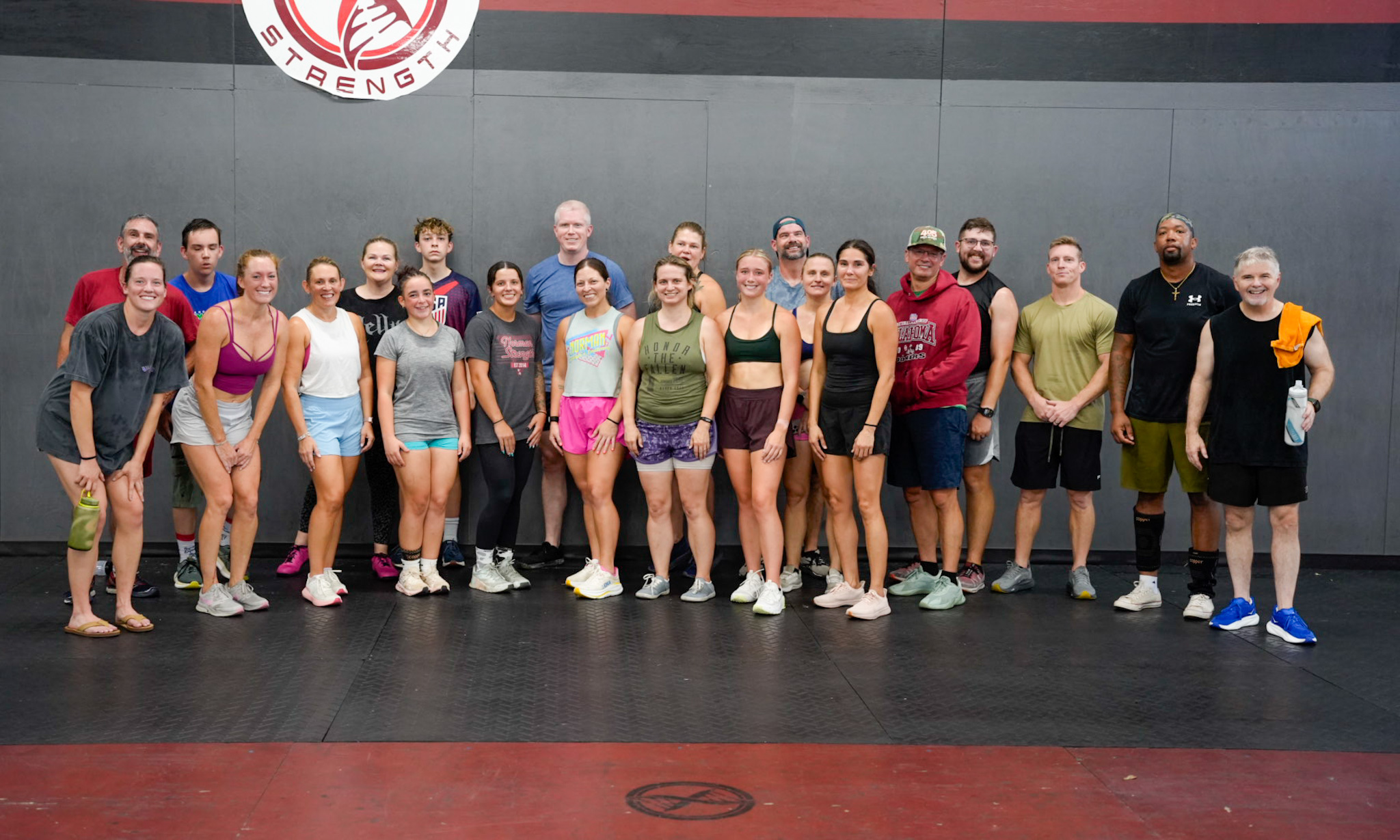
Come join us for Women's Strength and make strength part of your long-term health.
Schedule: Wednesdays @ 5:30pm and Saturdays @ 8am
Book a No Sweat Intro to learn more:
Book an appointment at Norman Strength and Conditioning | PushPress
Sources & Further Reading
National Institutes of Health — Slowing Sarcopenia
Information about age-related muscle loss, sarcopenia, and the importance of maintaining muscle health. {"fallbackMarkdown":"NIH News in Health","reference":{"matched_text":"","prefix":null,"start_idx":3388,"end_idx":3468,"safe_urls":["https://newsinhealth.nih.gov/2025/04/slowing-sarcopenia","https://newsinhealth.nih.gov/2025/04/slowing-sarcopenia?utm_source=chatgpt.com"],"refs":[{"turn_index":0,"ref_type":"search","ref_index":0}],"alt":"NIH News in Health","prompt_text":null,"type":"url","layout":null,"title":"NIH News in Health","item":{"title":"Slowing Sarcopenia | NIH News in Health","url":"https://newsinhealth.nih.gov/2025/04/slowing-sarcopenia?utm_source=chatgpt.com","attribution":"newsinhealth.nih.gov","pub_date":null,"snippet":"","attribution_segments":null,"supporting_websites":[],"refs":[{"turn_index":0,"ref_type":"search","ref_index":0}],"hue":null,"attributions":null},"logo":null},"showLoginRequiredCard":false}
Office on Women’s Health — Sarcopenia
Resources on muscle loss in women, including the effects of aging and physical activity. {"fallbackMarkdown":"Office on Women’s Health","reference":{"matched_text":"","prefix":null,"start_idx":3603,"end_idx":3669,"safe_urls":["https://womenshealth.gov/sarcopenia","https://womenshealth.gov/sarcopenia?utm_source=chatgpt.com"],"refs":[{"turn_index":0,"ref_type":"search","ref_index":5}],"alt":"Office on Women’s Health","prompt_text":null,"type":"url","layout":null,"title":"Office on Women’s Health","item":{"title":"Sarcopenia | Office on Women's Health","url":"https://womenshealth.gov/sarcopenia?utm_source=chatgpt.com","attribution":"womenshealth.gov","pub_date":1771459200,"snippet":"","attribution_segments":null,"supporting_websites":[],"refs":[{"turn_index":0,"ref_type":"search","ref_index":5}],"hue":null,"attributions":null},"logo":null},"showLoginRequiredCard":false}
Bone Health & Osteoporosis Foundation — What Women Need to Know
Information about women's bone health, menopause, osteoporosis, and bone-density loss. {"fallbackMarkdown":"Bone Health & Osteoporosis Foundation","reference":{"matched_text":"","prefix":null,"start_idx":3828,"end_idx":3973,"safe_urls":["https://www.bonehealthandosteoporosis.org/preventing-fractures/general-facts/what-women-need-to-know/","https://www.bonehealthandosteoporosis.org/preventing-fractures/general-facts/what-women-need-to-know/?utm_source=chatgpt.com"],"refs":[{"turn_index":0,"ref_type":"search","ref_index":1}],"alt":"Bone Health & Osteoporosis Foundation","prompt_text":null,"type":"url","layout":null,"title":"Bone Health & Osteoporosis Foundation","item":{"title":"What Women Need to Know - Bone Health & Osteoporosis Foundation","url":"https://www.bonehealthandosteoporosis.org/preventing-fractures/general-facts/what-women-need-to-know/?utm_source=chatgpt.com","attribution":"bonehealthandosteoporosis.org","pub_date":null,"snippet":"","attribution_segments":null,"supporting_websites":[],"refs":[{"turn_index":0,"ref_type":"search","ref_index":1}],"hue":null,"attributions":null},"logo":null},"showLoginRequiredCard":false}
National Institute on Aging — Health Benefits of Exercise and Physical Activity
Information about physical activity, strength, mobility, independence, and healthy aging. {"fallbackMarkdown":"National Institute on Aging","reference":{"matched_text":"","prefix":null,"start_idx":4151,"end_idx":4293,"safe_urls":["https://www.nia.nih.gov/health/exercise-and-physical-activity/health-benefits-exercise-and-physical-activity","https://www.nia.nih.gov/health/exercise-and-physical-activity/health-benefits-exercise-and-physical-activity?utm_source=chatgpt.com"],"refs":[{"turn_index":0,"ref_type":"search","ref_index":12}],"alt":"National Institute on Aging","prompt_text":null,"type":"url","layout":null,"title":"National Institute on Aging","item":{"title":"Health Benefits of Exercise and Physical Activity | National Institute on Aging","url":"https://www.nia.nih.gov/health/exercise-and-physical-activity/health-benefits-exercise-and-physical-activity?utm_source=chatgpt.com","attribution":"nia.nih.gov","pub_date":1736812800,"snippet":"","attribution_segments":null,"supporting_websites":[],"refs":[{"turn_index":0,"ref_type":"search","ref_index":12}],"hue":null,"attributions":null},"logo":null},"showLoginRequiredCard":false}
:::{"fallbackMarkdown":"","reference":{"matched_text":" ","prefix":null,"start_idx":4297,"end_idx":4297,"safe_urls":[],"refs":[],"alt":"","prompt_text":null,"type":"sources_footnote","sources":[],"has_images":false},"showLoginRequiredCard":false}
)%20(1).png)

.png)