By clicking “Accept All Cookies”, you agree to the storing of cookies on your device to enhance site navigation, analyze site usage, and assist in our marketing efforts. View our Privacy Policy for more information.
How to Start Strength Training After 40 | Norman, OK
Want to get stronger after 40? Learn how to start strength training, build muscle, and create a fitness routine that fits your life with Norman Strength & Conditioning.
By
October 14, 2026
.jpg)
Related

You Don't Have to Get in Shape Before You Start: A Guide to Strength Training After 40
At some point, a lot of us decide it's time to make a change.
Maybe you've noticed you're more tired than you used to be. Maybe your clothes fit differently. Maybe keeping up with your kids feels harder than it should. Or maybe you simply don't feel as strong or confident as you once did.
You know you need to do something about your health, but there's a problem.
You don't feel like you're in good enough shape to walk into a gym.
You tell yourself you'll start when you lose a little weight, get your schedule under control, or feel more comfortable with exercise.
But what if you don't need to wait?
You don't have to get in shape before you start working on your fitness. That's what starting is for.
And if you're over 40, building strength may be one of the most valuable things you can do for your long-term health.
Here's how to get started.
1. Understand why strength training matters as you age
For years, many people have approached fitness with one primary goal: lose weight.
And while weight loss can be a worthwhile goal, it isn't the whole picture.
As we get older, maintaining muscle strength becomes increasingly important. Strength training can help us build and preserve muscle, improve physical function, and maintain our ability to do everyday activities.
Think about what you want your life to look like 10, 20, or even 30 years from now.
Do you want to get down on the floor and play with your grandchildren?
Carry your groceries without struggling?
Travel, hike, garden, or participate in activities you enjoy?
Continue living independently?
Those things matter.
Fitness isn't just about how you look in the mirror today. It's also about preparing your body for the life you want to live tomorrow.
That's why we believe getting stronger is about so much more than lifting weights.
It's about building a body that can support the life you want to lead.
2. Start where you are, not where you think you should be
One of the biggest mistakes beginners make is comparing their starting point to someone else's progress.
You walk into a gym and see someone lifting heavy weights, moving quickly, or performing exercises you've never seen before.
It's easy to think you don't belong there.
But here's something worth remembering: everyone starts somewhere.
You don't need to know how to lift a barbell. You don't need to be able to do a push-up on the floor. And you certainly don't need to keep up with the person next to you.
A good strength training program should meet you at your current ability and help you progress over time.
That might mean starting with bodyweight movements, using lighter weights, adjusting the range of motion, or learning a movement with a coach before adding resistance.
Those aren't signs of weakness. They're part of the process.
The goal isn't to prove what you can do on day one. It's to build the strength to do more over time.
3. You don't need to work out every day
If you're busy juggling work, family, and everything else life throws at you, the idea of spending hours at the gym can feel impossible.
The good news? You don't have to.
For most healthy adults, three well-planned strength training sessions per week can be an effective starting point.
The key is consistency.
You don't need a perfect workout schedule. You need a realistic one.
Start by looking at your calendar. Find two times each week when you can consistently set aside time for yourself.
Put those sessions on your schedule just like you would any other important commitment.
Then focus on showing up.
Some weeks will go according to plan. Others won't. The goal is to build a routine you can return to, even when life gets busy.
Remember, a manageable routine you follow consistently is more useful than an ambitious routine you abandon after two weeks.
4. Focus on building strength, not just burning calories
It's easy to judge a workout by how exhausted you feel afterward.
You might assume that if you're not dripping with sweat or completely out of breath, you haven't accomplished much.
But strength training isn't a competition to see who can get the most tired.
A good program should help you develop strength, improve movement, and gradually challenge your muscles.
That means learning fundamental movement patterns, such as:
Squatting: Developing strength for movements like sitting down and standing up.
Hinging: Building the ability to bend at the hips and lift objects safely.
Pushing: Developing upper-body strength for everyday tasks.
Pulling: Strengthening your back and upper body.
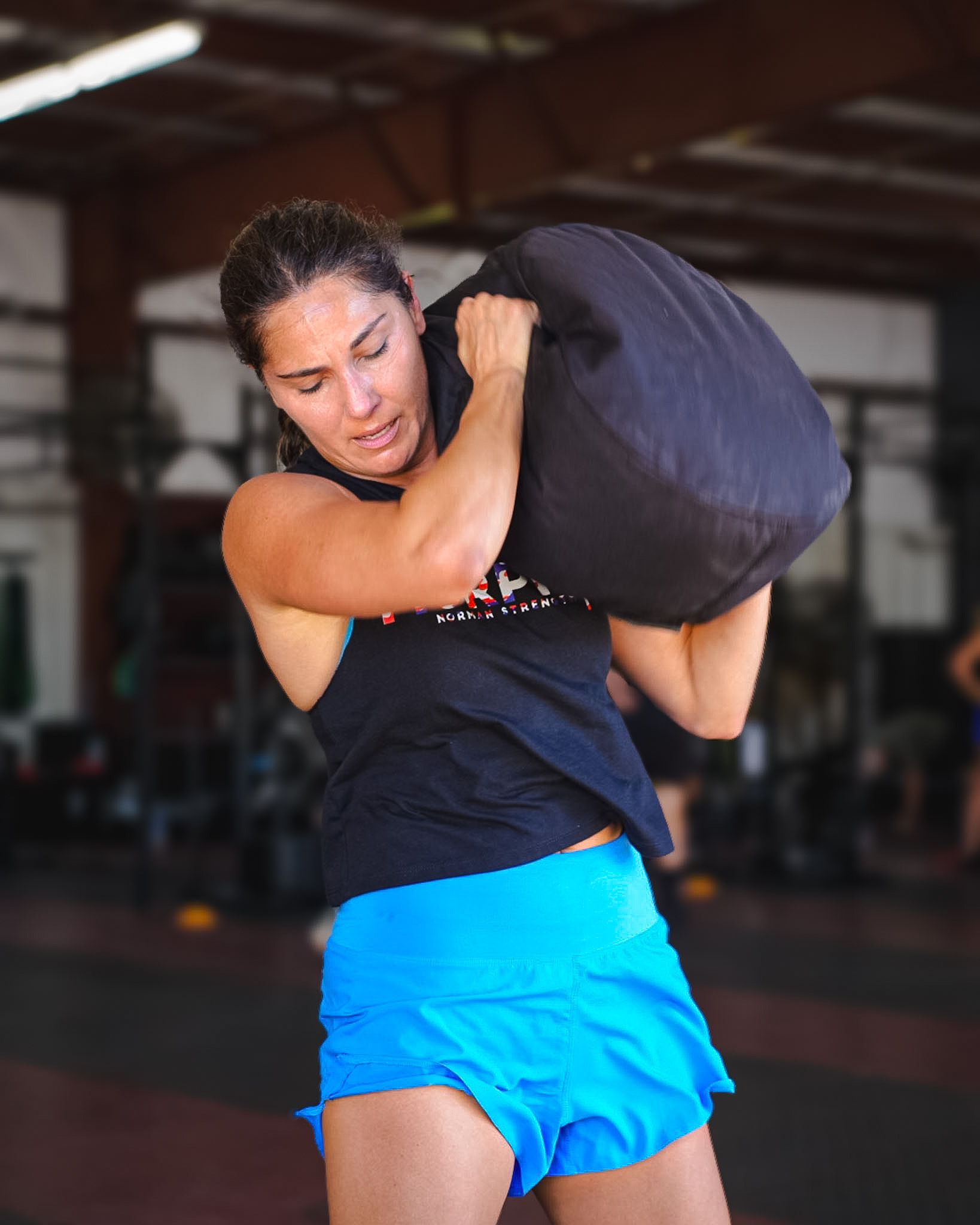
Carrying: Improving your ability to carry groceries, luggage, and other everyday items.
These movements can be adapted to different fitness levels and abilities.
Over time, your coach can help you progress by adjusting the weight, repetitions, range of motion, or complexity of an exercise.
You don't need to do everything at once. You need a plan that helps you improve.
And if weight loss is one of your goals, building muscle is an important part of the bigger picture. Strength training can help preserve or build muscle while you're losing weight, particularly when combined with appropriate nutrition.
The scale doesn't tell the whole story of your progress.
Pay attention to what you can do, how you feel, and how your strength changes over time.
5. Find a gym where you feel comfortable asking questions
Let's talk about something that doesn't get enough attention: how intimidating a gym can feel when you're new.
Maybe you're worried people will judge you.
Maybe you don't know how to use the equipment.
Maybe you've tried a gym before, felt lost, and eventually stopped going.
Those concerns are real, and the environment you choose matters.
Look for a gym where coaches take the time to learn about you, explain exercises, offer appropriate modifications, and help you understand why you're doing what you're doing.
You should be able to ask questions without feeling embarrassed.
You should feel supported rather than pressured to keep up with everyone else.
And you should have a clear starting point.
At Norman Strength & Conditioning, we believe coaching is about more than counting repetitions or running a class.
It's about understanding the person standing in front of us.
Your goals, your experience, your challenges, and your life outside the gym all matter.
That's why we start with a conversation about what you want to accomplish and how we can help you get there.
We want you to feel comfortable learning, asking questions, and building confidence as you get stronger.
6. Stop waiting for the perfect time
This might be the hardest part.
Life doesn't usually get less complicated just because you've decided to focus on your health.
Work gets busy. Kids need things. Family responsibilities pile up. Unexpected expenses and challenges appear.
There's almost always a reason to put yourself last.
But your health deserves a place on your priority list, too.
You don't have to overhaul your entire life this week.
You don't need a perfect meal plan, a new wardrobe, or an elaborate workout schedule.
You can start with two strength training sessions a week.
You can work on getting enough sleep.
You can take a walk after dinner.
You can make one decision today that supports the person you want to become.
Small actions, repeated over time, can make a meaningful difference.
And you don't have to figure everything out on your own.
7. Your first step doesn't have to be a workout
If you've been thinking about getting stronger but aren't sure where to begin, here's my recommendation.
Start by having a conversation with someone who can help you understand your options.
Ask questions.
Talk about your goals.
Explain what's held you back in the past.
Be honest about your schedule, your concerns, and what you hope to accomplish.
You don't need to walk into a gym already knowing what to do. That's part of what coaching is for.
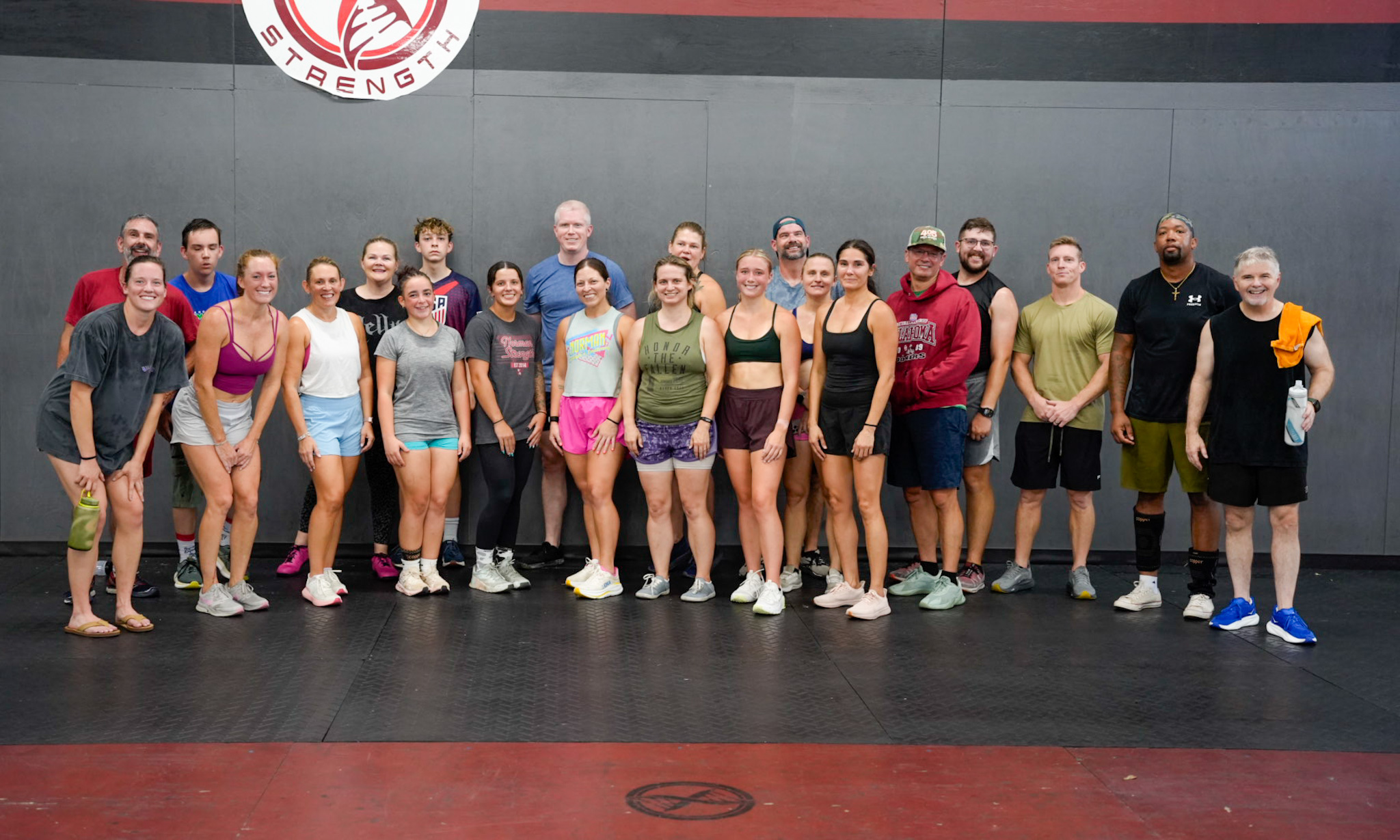
At Norman Strength & Conditioning, we work with adults at different stages of their fitness journeys. Some people come to us with years of training experience. Others are starting over after a long break or beginning strength training for the first time.
You don't have to fit a certain mold to get started.
You just need a willingness to take the first step.
Ready to get stronger?
If you're in Norman, Oklahoma, and you've been thinking about starting a fitness routine, we'd love to meet you.
We offer a No Sweat Intro, where we sit down, talk about your goals, learn more about your needs, and help you determine whether our gym is the right fit.
There's no expectation that you show up already fit. Our job is to help you figure out where to start.
You don't have to be ready for everything. You just have to be ready to begin.
Schedule your No Sweat Intro: https://d4kk9kv.pushpress.com/landing/appointments/apptpkg_9bc716e1cfe0915beaaa5fb73fa0

)%20(1).png)
